




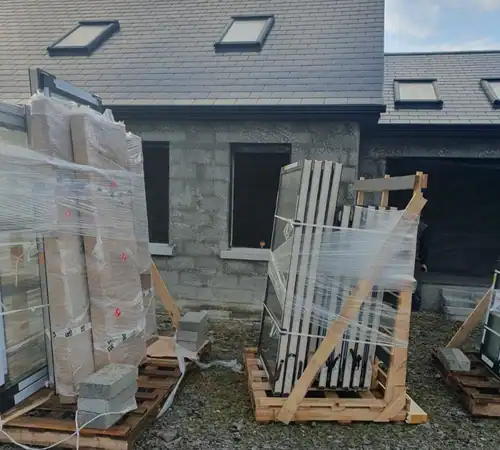
Timing is one of the most common concerns among people planning a self-build or new build. When your builder is starting soon, you want to make sure the windows arrive at the right stage – not too early, and definitely not too late. Good scheduling here can keep your entire project running smoothly and prevent costly delays. At Fenbro, even when customers choose installation through one of the independent fitting teams, delivery and fitting dates are aligned in advance. But if you’re hiring your own builder or installer, planning the timing becomes even more important, and this guide shows you how to do it. Below, we explain exactly when to order your windows based on typical UK/IE building timelines and Fenbro’s experience with self-build customers.
Builder starting in 2 weeks? Here’s what it really means
Customers often ask:
“My builder starts in two weeks – should I wait to order the windows?”
The important thing to know is:
the start of building work doesn’t mean your windows are needed right away.A typical self-build sequence looks like this:
- Groundworks and foundations
- External walls (the shell)
- Roof installation
- Window installation
- Insulation and internal works
Between day one and the window installation stage, around 6–12 weeks usually pass, depending on the builder and complexity of the project. So if your builder starts in two weeks, that’s actually an excellent moment to place your window order rather than waiting any longer.

Order as soon as your drawings and openings are confirmed
You don’t need the walls to be standing before ordering your windows.
All you need is:
- final drawings,
- confirmed structural openings,
- finalised specifications (colour, glazing, hardware).
If those are ready (which they always should be before your builder begins) then it’s the perfect time to place an order. Waiting longer only shortens your buffer and increases the risk of delays later in the build.
How to plan backwards from your builder’s schedule
The simplest and most reliable method is to start by asking your builder: “When do you expect to be ready for window installation?” Once you have that date, you can plan backwards. The window lead time at Fenbro is usually 4–6 weeks, followed by a short delivery period to the UK or Ireland. On top of that, it’s wise to include a 2–3 week buffer to stay flexible and avoid delays on site.
Example:
If your builder expects to install windows in mid-February, ordering in early December or January is ideal. Planning backwards in this way ensures that your windows arrive exactly when the site is ready for them, without putting any pressure on the schedule.
When should the windows actually arrive on site?
The optimal moment for window delivery is:
- when the shell is built
- when the roof is on
- just before insulation and internal works begin
This timing allows your installer to close the building properly, protect the interior from weather, and move the project into the next stage smoothly. Windows arriving too early can get in the way. Arriving too late disrupts the entire schedule.
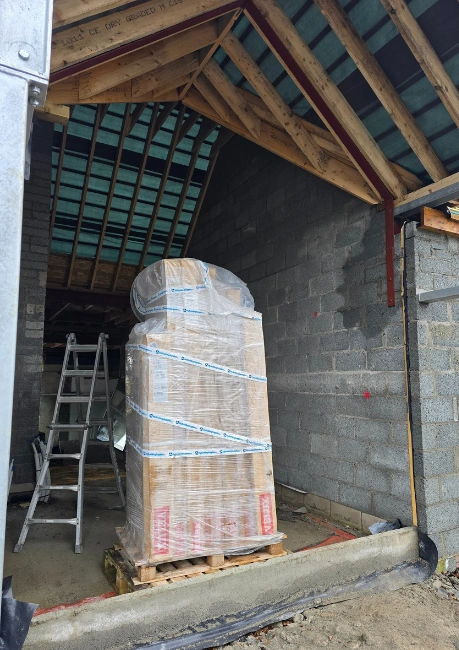
Lead times and transport: why a 2–3 week buffer is essential
Based on Fenbro’s experience with self-build projects across Ireland and the UK, keeping a 2–3 week buffer makes the whole process far smoother. Production typically takes 4–6 weeks, and delivery adds a few additional days, so this extra time helps you stay flexible if the build speeds up, slows down, or if weather and installer schedules shift unexpectedly.
A 2–3 week buffer keeps the project stable and ensures the windows are ready exactly when your builder needs them, without last-minute pressure or disruption on site.
What if you’re ordering Fenbro windows with fitting included?
If you choose installation through one of the independent fitting teams, the overall lead time is longer. While supply-only orders typically take 4–6 weeks, orders that include fitting usually require 8–12 weeks in total. This allows time not only for production and transport, but also for scheduling the installation with the fitter’s availability.
Can windows be installed in colder months? Yes, it’s perfectly fine.
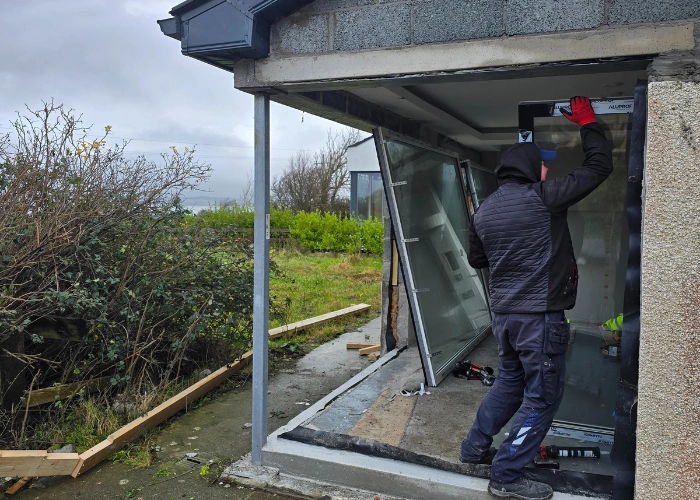
Many self-builders – and even homeowners planning window replacement in Dublin or home improvement in London – worry that window installation should only happen in summer, but modern materials make it completely safe even in colder months. That’s not the case. Modern materials allow for professional installation in autumn, winter and early spring.
As long as the installer uses the right thermal installation accessories, correct foams, tapes and sealing systems, and works around weather conditions, cold temperatures are not a problem. There’s no need to delay your project waiting for warmer months.
What about insulation timing?
Insulation should always come after the windows.
Final insulation is typically applied once the building is closed, meaning:
- shell built
- roof on
- windows installed
This sequence protects insulation materials from moisture and ensures everything is fitted correctly. Therefore, ordering windows early ensures insulation can proceed without interruption.
Working with an independent installer – what to check?
If you’re managing the installation yourself, make sure to:
- agree on an installation date with your fitter in advance,
- confirm the openings match the measurements provided for production,
- plan who will unload the windows and where they’ll be stored if needed.
Do you want to understand the installation steps in detail? This guide may help: How to install a window – step by step DIY guide
Conclusion
Good planning makes all the difference. Order your windows as soon as your drawings are ready, allow a 2–3 week buffer, and they’ll reach your site precisely when the structure is ready for them. It’s the simplest way to keep your self-build running smoothly and avoid the delays that slow so many projects down.
Ready to get moving? Contact us today and we’ll help you secure the perfect timing for your windows.

Frequently Asked Questions (FAQ)
Which stage of construction is best for window installation?
Windows should be installed once the shell is up and the roof is on, when the building is stable and ready to be closed.
When should I order windows in the building process?
Order as soon as your drawings and structural openings are confirmed. This ensures the windows arrive on time after the 4–6 week lead time and 2–3 week buffer.
What is the best time of year to insulate your house?
Insulate only after the windows are installed and the building is fully closed, regardless of the season.
Do I need my window openings built before placing an order?
No, confirmed drawings and structural opening sizes are enough to proceed with the order.
Can windows be installed in low temperatures or bad weather?
Yes, as long as installers use the right foams and tapes and plan the fitting around weather conditions.
