Is it the time to buy new windows for your home? Well, if they are old, damaged, or outdated, the obvious answer is “Yes!”. Generally, each window has its lifespan and when the latter comes to an end, it’s necessary to plan a window replacement. We have explored this subject in some more details in our blog post on the signs that your windows need replacing. It is clear that new windows will not only boost your home’s resale value and curb appeal, but they will also help you save a significant amount of money each year on your energy bills. However, purchasing new windows is a significant expense. If, for example, you plan to equip almost every room with a new window, then the new windows cost estimate may be a bit overwhelming. That’s why it is worth knowing where the average price for new windows comes from and what it is influenced by. Read on to learn more!
Real window projects cost – data from Fenbro orders
We analysed Fenbro’s completed B2C orders from Ireland in 2025–2026, together with actual product sales and delivery data, to show the difference between the starting price of a single window and the budget required for a real home project. Across 370 completed Fenbro B2C orders included in our Irish dataset, the median product-order value was approximately €6,665 net. The middle 50% of completed orders ranged from approximately €3,635 to €11,332 net. Larger projects involving aluminium systems, entrance doors or large sliding doors can be considerably higher. These figures are Fenbro order benchmarks, not an average for the entire Irish market. Every project is individually specified and final pricing depends on dimensions, material, glazing, opening types, colour, hardware, accessories and delivery.
Factors influencing the price of new windows
Let’s face it: rhe cost of new windows depends on the number and dimensions of the units, frame material, window type, colour and overall specification. Fenbro’s reference prices are based on a standard window measuring 1000 × 1000 mm, with prices ranging from around €100 to €700. However, most customers choose made-to-measure windows, which affects the final cost.
Glazing is another important factor. Switching from double to triple glazing can increase the price by approximately 15%, while tempered, laminated, solar-control and decorative glass will raise it further. The number of panes, chambers and gaskets also influences both the price and thermal performance.
The starting price of one window is useful for comparing systems, but it does not tell you how much a real home project will cost. Fenbro’s completed-order data shows the difference clearly. In our 2025–2026 Irish B2C dataset, orders consisting primarily of uPVC windows had a median product value of approximately €4,175 net. Projects combining windows with entrance or other doors had a median of approximately €9,137, while projects containing windows and sliding systems had a substantially higher median of approximately €16,643 net. This is why two homeowners choosing the same window system can receive very different final quotations.
| Reference product | Configuration | Current Fenbro price from |
|---|---|---|
| greenEvolution Flex 3D | fixed, 1000 × 1000, triple | €132 net |
| greenEvolution Flex 3D | tilt & turn, 1000 × 1000, triple | €199 net |
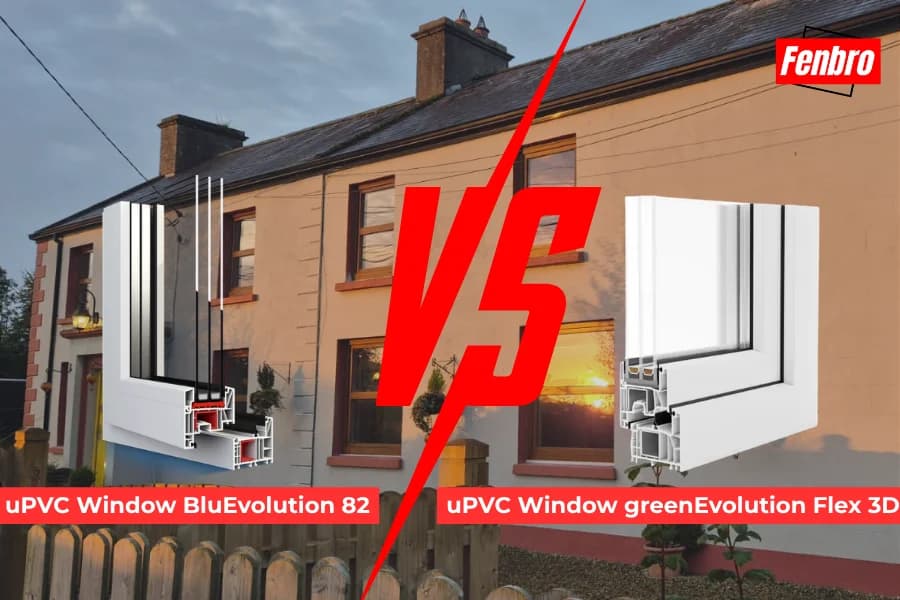
| BluEvolution 82 | fixed, 1000 × 1000, triple | €147 net |
| BluEvolution 82 | tilt & turn, 1000 × 1000, triple | €224 net |
| MB-79N SI aluminium | fixed, 1000 × 1000, triple | €309 net |
| MB-79N SI aluminium | tilt & turn, 1000 × 1000, triple | €539 net |

New windows quote vs. window material
The material used for window production is crucial for new windows cost. For example, the production process of wooden windows requires much more time and more work than in the case of uPVC windows. While plastic windows are manufactured from ready-made elements that are then formed, wooden windows are made of specially selected pieces of wood that must be painted and impregnated several times. In such a case, the difference in the average cost of new windows results not only from the different window materials, but also from the length and complexity of the production process as well as the technologies used in it.

When it comes to new window prices, uPVC (Unplasticized Polyvinyl Chloride) is the most cost-effective of all the available frame materials. Thanks to its durability, low maintenance and cost-effectiveness, uPVC is a great alternative to the more traditional timber and aluminium frame materials. Obviously, white uPVC windows in rectangular shape are the cheapest option. Any change in colour increases the new windows cost, e.g. a single-sided veneer raises the price by 10% while a double-sided veneer by 20%. The typical cost of new windows will also be different if you choose e.g. round or arched windows instead of rectangular or square ones.
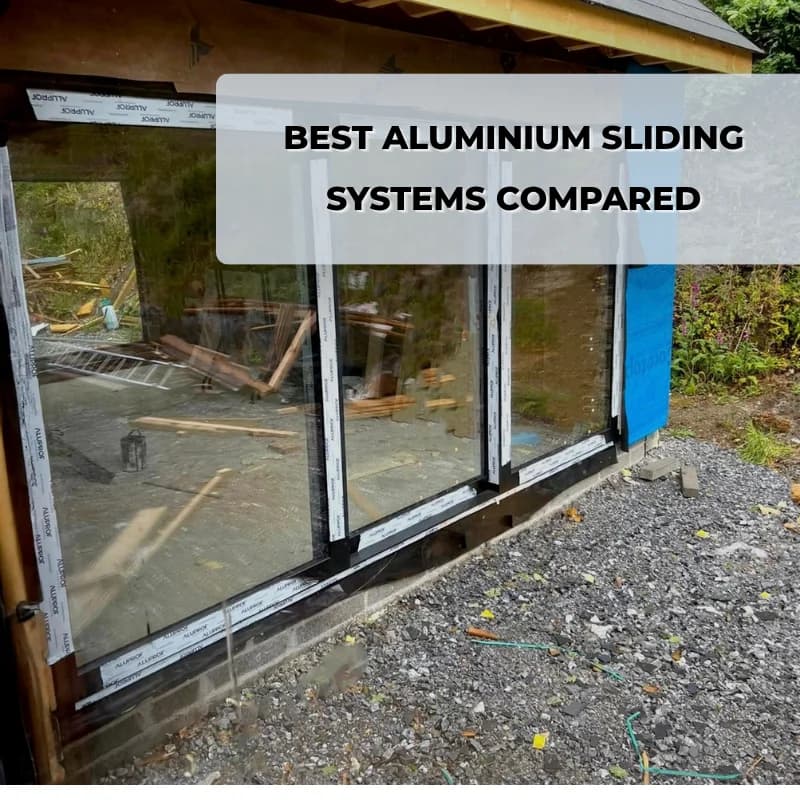
Aluminium is clearly less popular than uPVC. And no wonder: aluminium windows usually cost around 1,5 the new uPVC windows price (or more). For example, one of our most popular uPVC windows BluEvolution82 in a triple-glazed fixed version costs €147 while the price of its aluminium counterpart MB 79-N SI in the same version goes up to €309. In general, aluminium windows tend to have a slimmer profile, allowing for greater glass surfaces. And as aluminium is a stronger window material, it can withstand larger window sizes and loads. We have to take into account the fact that new windows cost increases with increasing window dimensions. Moreover, the price of new windows goes up when we choose windows of a non-standard size – in this case the difference may reach up to several hundred euros (or pounds).
New uPVC windows cost
As we already mentioned, uPVC is the most commonly used material for window production. However, the variety of uPVC windows can make your head spin. There are many sizes, colours and technical parameters to choose from. As a result, uPVC windows prices online differ as well.
New uPVC windows cost depend on their quality and dimensions. A fixed window measuring 1000 x 1000 mm, made of plastic, white, double-glazed costs around €100. The average price of 1 m² of window glass is € 100-150, so you have to pay more for large windows. The price of a white uPVC double-sash tilt and turn window is usually below €300. However, windows with triple-glazed units intended for passive buildings may be a much more expensive solution. In such cases, new windows cost estimate is generally noticeably higher. The price per square metre of a window is usually given in individual contact with the client. Besides, windows intended for passive buildings require the so-called warm installation, which is worth entrusting to experienced professionals. And the average cost of new windows installed by a professional fitting team will also be higher.

It is worth noting that white plastic windows generally turn out to be cheaper to purchase than their coloured counterparts. The second category includes, among others, wood-like veneers that increase the windows aesthetics. For example, uPVC windows with double-sided veneer may be about €100 more expensive to purchase than their white counterparts with the same technical parameters. And as the sales offer generally includes many interesting colour options for uPVC windows, it is really hard to stick to a simple white version. That’s why a typical cost of new windows made of uPVC is not so easy to declare.
New windows cost by window type
A window type is one of the most important parameters determining the new windows quote. Fixed windows, which are generally the cheapest window option, are rarely used in residential buildings where opening structures are preferred. The latter are obviously more functional but in their case, new windows cost will depend on their complexity.
Traditional casement windows are still willingly chosen by customers in the UK and Ireland. The average price for new windows of this type ranges from €130 (for uPVC models) to €500 (for aluminium ones). Their steel versions may cost as much as €700. As you see, the price range in this case is really broad. That’s why when comparing individual window models, it is always worth checking all their parameters and the glazing unit they are equipped with.
In the Fenbro offer, tilt and turn windows are clearly the most popular window type. They cost between €150 to €700, offering a modern design with multiple opening options for ventilation and ease of cleaning. They can be made from uPVC, aluminium, wood or steel and are available in various finishes and with different glazing units (double- or triple-glazed) to suit different architectural preferences and budgets. If you still cannot make your mind between casement and tilt and turn windows, see our article on differences between casement and tilt and turn windows. We hope it will help you to clear up your doubts and choose the most cost-effective window model!
New window costs compared: double glazing vs secondary glazing vs triple glazing
Windows are one of the most important elements determining not only the aesthetics, but also the safety and comfort of a house or apartment. Therefore, during the purchasing process, it is worth paying attention to the thermal insulation properties of a window. These largely depend on the insulated glazing unit (commonly referred to as an IGU), which is made of two panes in double glazing or three panes in triple glazing, spaced 8 to 16 mm apart. The gaps between the panes are filled with argon or krypton and hermetically sealed.
This technology provides a significant improvement in thermal insulation compared with single glazing. The U-value of a single 4 mm glass pane, for example, is 5.8 W/m²K, whereas a standard triple-glazed unit can achieve 0.7 W/m²K. The better the window’s thermal insulation, the higher the initial cost may be, but it can also help reduce energy loss during the heating season.

There is no single percentage by which triple glazing increases the price of every window. The uplift depends on the system, dimensions and opening configuration. For example, in Fenbro’s current reference pricing, moving from double to triple glazing increases a 1000×1000 greenEvolution Flex 3D fixed window from €105 to €132 net, while an MB-79N SI aluminium tilt-and-turn window moves from €510 to €539 net.
For this reason, compare the actual double- and triple-glazed versions of the system you are considering rather than using one universal percentage.
Sliding doors cost – are they similar to large windows?
It may be surprising, but sliding doors can be treated in a similar way to oversized windows. 😉 That’s why, when talking about the cost of upgrading window joinery, it’s worth mentioning sliding doors as well. Similarly to windows, the price of sliding doors depends mainly on the frame material, glazing unit, dimensions and system type.
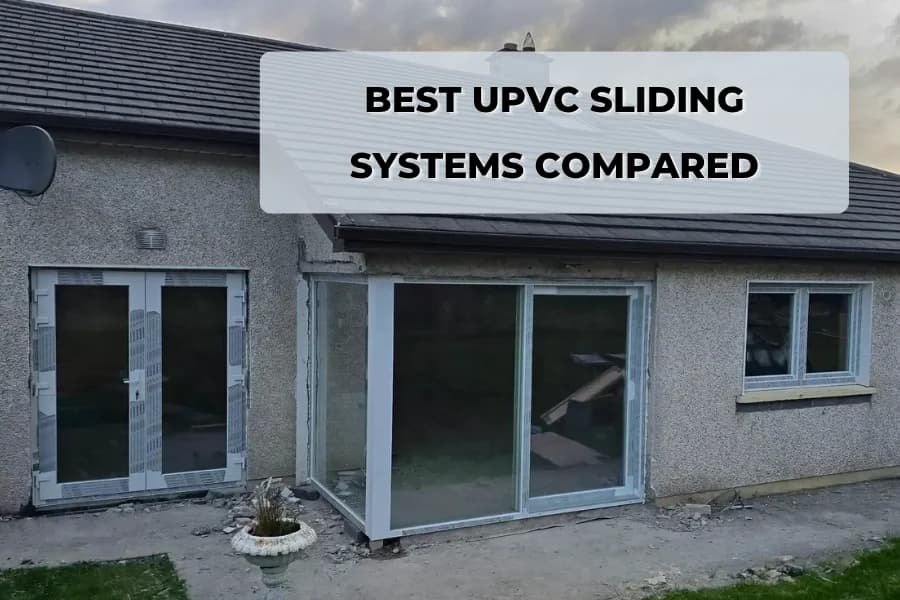
For example, one of our bestselling uPVC sliding door systems, Evolution Drive Plus+, in a reference size of 4000 × 2100 mm (one active leaf), starts from around €2979net with double glazing and €4009 net with triple glazing. If we compare this with aluminium, one of our most popular systems – MB-59HS – in the same reference size and configuration starts from around €4663 net for double glazing and €5852 net for triple glazing.

How much should I expect to pay for a new window?
As you can see, many factors and variables contribute to the cost of new windows. Every project is different, which means that the same window model ordered by two customers may result in very different quotations. For this reason, we do not display one fixed price for every available configuration, as all our windows can be customised in terms of their dimensions, shape, colour, glazing and finish.
To help you plan your budget, we have prepared a useful Fenbro Price List featuring some of our customers’ favourite products. The prices shown are starting prices for basic window versions without additional equipment or customisation. You can also find a price list module under each product description on our website. These reference prices apply to white, double- and/or triple-glazed products and do not include changes in dimensions, colours or accessories.
Once you have selected your preferred window model, ask our Sales Team for a complete and transparent quotation covering all the parameters of your chosen product. Our Sales Specialists will ask about your project, including whether it is a new build or renovation, its energy-efficiency requirements and your available budget. This allows them to recommend a solution that suits both the building and your expectations.
What systems do customers actually choose?
Price is not the only reason homeowners choose a particular system. Fenbro’s 2025–2026 Irish B2C sales data shows that Salamander BluEvolution 82 was the most frequently ordered uPVC window system in our dataset, with 119 completed orders and 1,094 units. Salamander greenEvolution 76 3D followed with 72 orders and 711 units. Among aluminium window systems, Aluprof MB-79N appeared in 37 completed orders and accounted for 293 units.
Still not convinced which systems is great for your project? Give us a try! You’ll find all the instructions on how to request a quote from Fenbro in this article: How does Fenbro prepare a quote for a window and door order?

Frequently Asked Questions (FAQ)
How much does an average Fenbro window project cost?
There is no single average price, as every project has a different specification. However, Fenbro’s 2025–2026 Irish B2C completed-order data provides a useful benchmark: orders consisting primarily of uPVC windows had a median product value of approximately €4,175 net.
How much does a whole-house window project cost?
The cost of a whole-house project depends on the number and size of the openings, selected systems, glazing, colours and additional products. In Fenbro’s dataset, projects combining windows with entrance or other doors had a median value of approximately €9,137, while projects containing windows and sliding systems had a substantially higher median of approximately €16,643 net.
How much does window delivery from Poland cost?
There is no fixed delivery charge. The cost depends on the number, dimensions and weight of the products, the delivery location and site access. Fenbro calculates the delivery cost individually and confirms it in the project quotation.
Why are two quotes for the same number of windows so different?
The number of windows is only one factor. Quotations can differ because of the dimensions, frame material, selected system, opening configuration, glazing, colour, hardware, specialist glass and additional products such as entrance or sliding doors.
Should I compare the price per window or the total project price?
The price of one reference window is useful for comparing different systems, but the total project price provides a much more realistic picture of the final cost. Always compare quotations based on the same dimensions, glazing, opening types, accessories, delivery and installation scope.
Does installation form part of the Fenbro product price?
Installation is not automatically included in the Fenbro product price. It is arranged and quoted separately by an independent fitting team. Fenbro can help customers connect with experienced installers familiar with Fenbro products.